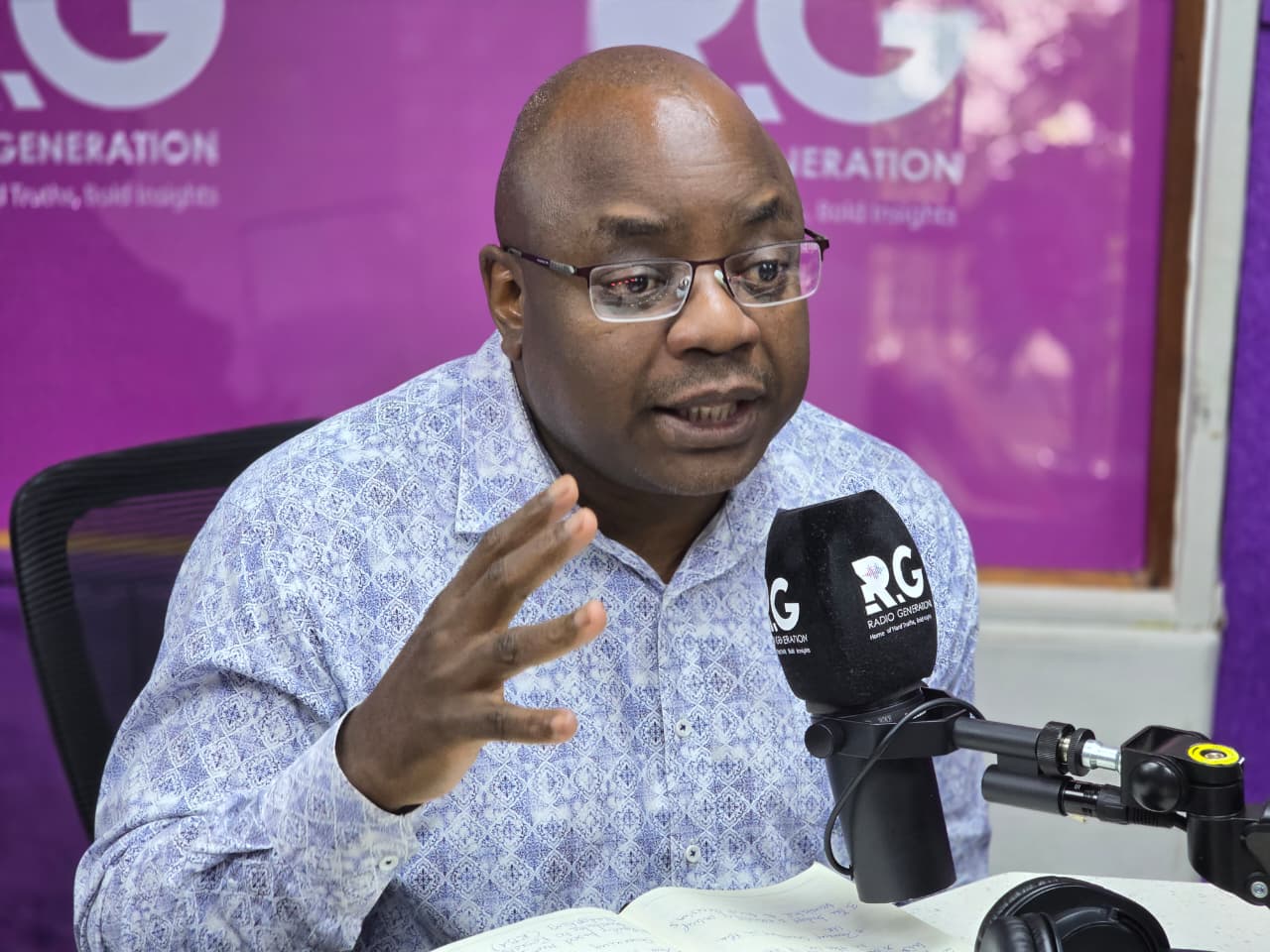
Political Risk Analyst Dismas Mokua says inequality in Kenya’s resource allocation persists decades after independence, rooted in policies like Sessional Paper No. 10.
Speaking on Thursday in a Radio Generation interview, he argues that despite reforms under the 2010 Constitution, marginalised regions still lag behind, highlighting gaps in infrastructure, budgeting priorities, and political will.
He linked current disparities to Sessional Paper No. 10, a policy framework introduced shortly after independence that prioritised investment in areas deemed to offer the highest returns. According to Mokua, this approach entrenched regional imbalances.
“They were going to allocate resources to places that are the highest return on investments,” he said, adding that this “essentially means where the political elites come from.”
He argued that regions without political influence were often excluded, saying, “If there was no son or daughter from your village, then the probability of getting resources was zero.”
Mokua noted that this pattern persisted for decades, with significant consequences for infrastructure, education and public services.
He pointed to the concentration of top schools and hospitals in specific regions, particularly around Nairobi, as evidence of long-standing disparities.
“If you want to look at top public hospitals, they are in Nairobi,” he said, adding that even elite schools are largely concentrated in a few counties such as Kiambu.
This clustering, he suggested, reflects historical investment decisions that favoured certain regions over others.
The 2010 Constitution sought to address these imbalances through measures such as the Equalisation Fund.
Mokua described it as “a realization that the way resources were being distributed was not actually equality,” but said its implementation has faced challenges.
Despite reforms, Mokua argued that budgeting practices still reinforce inequality. He criticised incremental budgeting approaches that increase funding based on previous allocations, saying this benefits already developed areas.
He said that areas that have continuously and consistently received allocations continue to get more, this showing how regions that were overlooked remain underfunded.
The analyst also questioned infrastructure planning, citing examples such as road construction and railway expansion. “Putting up a road is at the pleasure of the political elites,” he said. “They decide which road is going to be tarmacked.”
Mokua said the consequences of inequality are visible in daily life, particularly in marginalised regions. He described how some communities only accessed basic infrastructure such as electricity and tarmac roads after 2010.
“That is when people started seeing electricity for the very first time,” he said, adding that in some areas, residents celebrate the installation of transformers due to years of neglect.
He emphasised the importance of data-driven, equity-based budgeting to address these disparities, urging policymakers to adopt a broader national perspective.
“You must have a helicopter view of the society to understand their interests, needs and aspirations,” he said.
Mokua also highlighted the role of leadership in shaping fiscal decisions, noting that budget-making is a powerful tool for correcting inequality. However, he criticised legislators for failing to fully exercise this responsibility.
“Members of the National Assembly and Senate forget that they’re the ones meant to come up with the budget,” he said.
While acknowledging recent political developments, the analyst suggested that there is now an opportunity to address long-standing inequities. However, he warned that without deliberate action, marginalisation will persist.
“If you don’t address this thing called marginalization, then there are people who are going to be left behind,” he said.